Kitchens6 min readby All About Kitchens & Bathrooms
Why Is Lighting So Important in Kitchen Design?
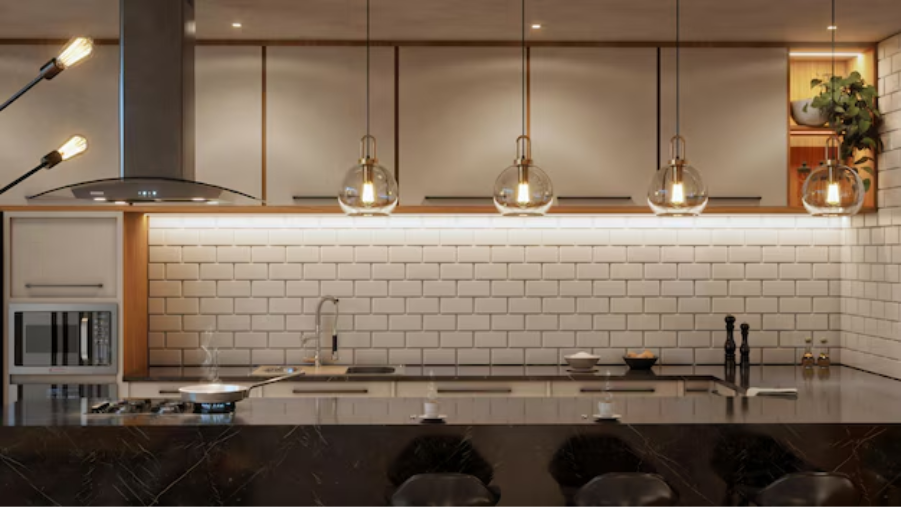

When designing or renovating a kitchen, most people focus on cabinetry, countertops, and appliances. But there’s one crucial element that often gets overlooked: lighting. A well-lit kitchen not only enhances the beauty of the space but also makes it more functional, safe, and inviting. With brands like All About Kitchens and Bathrooms, homeowners can transform their kitchens into practical and stylish spaces by paying attention to the right lighting choices.
Kitchen lighting is about more than just brightness—it’s about balance, mood, and functionality. The right combination of lighting layers can make cooking easier, highlight design features, and create a warm, welcoming environment for family and friends.
How Does Lighting Affect Kitchen Functionality?
The kitchen is one of the busiest rooms in any home, used for cooking, dining, entertaining, and sometimes even working. Proper lighting ensures that each of these activities can be performed efficiently and safely.
- Improved Visibility: Good task lighting makes chopping, cooking, and cleaning safer and easier.
- Zoning the Space: Lighting helps define different areas of the kitchen, such as the cooking area, dining area, or breakfast bar.
- Energy Efficiency: Strategically placed lights reduce the need for excessive overhead lighting, saving energy.
- Reduced Eye Strain: Balanced lighting prevents shadows and glare, making the kitchen more comfortable to use.
Without the right lighting, even the most beautifully designed kitchen can feel impractical.
What Are the Different Types of Kitchen Lighting?
To achieve a well-lit and functional kitchen, it’s important to understand the three main types of lighting: task, ambient, and accent lighting.
- Task Lighting: Focused lighting for work areas like countertops, stoves, and sinks. Examples include under-cabinet lights and pendant lights.
- Ambient Lighting: The overall lighting of the kitchen, usually achieved with ceiling fixtures or recessed lights.
- Accent Lighting: Decorative lighting that highlights features such as glass cabinets, kitchen islands, or artwork.
Combining these types creates layers of light that enhance both the functionality and aesthetics of your kitchen.
Why Is Task Lighting Essential in Kitchen Design?
Task lighting is critical because the kitchen is a workspace where precision matters. Insufficient lighting in key areas can lead to mistakes or even accidents. With professional kitchen renovation services, you can ensure that your task lighting is both functional and stylish.
- Countertop Illumination: Under-cabinet lights brighten up prep areas, reducing shadows.
- Stove Lighting: Proper lighting above the stove ensures safe cooking.
- Sink Area: Focused lighting helps with washing dishes and produce effectively.
- Island Lights: Pendant lights provide both functionality and style over kitchen islands.
Task lighting ensures your kitchen isn’t just beautiful but also highly practical.
How Does Ambient Lighting Create Balance in the Kitchen?
Ambient lighting provides the general illumination needed for the entire room. It sets the overall tone and ensures the kitchen feels welcoming and bright.
- Ceiling Fixtures: Chandeliers or flush-mount fixtures offer soft, general lighting.
- Recessed Lighting: Evenly distributed recessed lights reduce dark corners.
- Dimmers: Adjustable brightness levels create flexibility for different moods.
- Natural Light: Large windows and skylights also contribute to ambient lighting.
This type of lighting prevents the kitchen from feeling gloomy or overly harsh.
Why Should Accent Lighting Be Part of Kitchen Design?
Accent lighting adds depth, personality, and sophistication to your kitchen. While it’s not essential for functionality, it enhances the overall design.
- Highlighting Features: Showcase open shelving, glass cabinets, or artwork.
- Creating Mood: Soft accent lights make the kitchen feel cozy and inviting.
- Layering Effect: Works with task and ambient lighting for a complete design.
- Island Focus: Decorative pendant lights can also serve as accent pieces.
Accent lighting transforms the kitchen from purely functional to visually striking.
How Does Lighting Influence Kitchen Aesthetics?
Lighting has the power to change how a kitchen looks and feels. Even the most expensive finishes won’t shine without the right lighting.
- Enhancing Colors: Lighting highlights cabinet tones, countertops, and backsplashes.
- Creating Space Illusion: Bright lighting makes small kitchens look bigger.
- Showcasing Design: Architectural details and décor become focal points.
- Mood Setting: Warm lights create coziness, while cool lights give a modern vibe.
In essence, lighting ties together all the design elements in your kitchen.
How Can the Right Lighting Improve Safety in the Kitchen?
The kitchen is filled with sharp tools, hot surfaces, and slippery areas, making safety a top priority. Proper lighting significantly reduces risks.
- Clear Visibility: Prevents accidents when cutting, cooking, or cleaning.
- Shadow Reduction: Well-placed lights reduce shadows that can obscure hazards.
- Slip Prevention: Illuminated floors make spills and obstacles visible.
- Fire Safety: Clear visibility helps you react quickly in case of smoke or flare-ups.
Safety is one of the most practical reasons to invest in high-quality kitchen lighting.
What Role Does Natural Light Play in Kitchen Design?
While artificial lighting is essential, natural light brings unmatched warmth and vitality to a kitchen. Incorporating natural light should always be part of the design plan.
- Energy Savings: Reduces reliance on artificial lights during the day.
- Mood Boost: Natural light makes the kitchen feel fresh and welcoming.
- Health Benefits: Exposure to daylight improves overall well-being.
- Blended Design: Skylights, large windows, and glass doors create balance with artificial lighting.
A kitchen that maximizes natural light feels brighter, healthier, and more enjoyable.
How Do Lighting Fixtures Impact Kitchen Style?
Lighting fixtures are more than just functional—they’re also key design elements that shape the kitchen’s style.
- Modern Style: Sleek pendant lights or recessed fixtures fit contemporary designs.
- Traditional Look: Chandeliers or ornate fixtures add classic elegance.
- Industrial Design: Exposed bulbs and metal finishes suit industrial kitchens.
- Minimalist Appeal: Simple, understated fixtures complement minimalist spaces.
Choosing the right fixtures ensures harmony between lighting and overall design.
How Can Smart Lighting Enhance Kitchen Convenience?
With technology evolving, smart lighting has become a trend in modern kitchen design. It adds both convenience and efficiency.
- Remote Control: Adjust lighting using smartphones or voice commands.
- Dimming Options: Set different moods instantly with adjustable brightness.
- Energy Efficiency: Smart bulbs consume less power and last longer.
- Automation: Lights can be scheduled to turn on or off at specific times.
Smart lighting makes kitchens not just beautiful but also more user-friendly.
Conclusion: Why Should Lighting Be a Priority in Kitchen Design?
Lighting is one of the most influential elements in kitchen design. It impacts functionality, aesthetics, safety, and the overall atmosphere of your space. From task lighting that ensures safe food preparation to ambient lighting that creates warmth and accent lighting that adds character, every layer plays a role.
At All About Kitchens and Bathrooms, we believe that no kitchen design is complete without a thoughtful lighting plan. Whether you’re renovating or starting fresh, investing in the right lighting will make your kitchen not only more beautiful but also more functional and enjoyable.
📞 Contact us today to learn more about our kitchen renovation services and let us help you create a perfectly lit, stylish, and functional kitchen.
FAQs
1. What type of lighting is best for a kitchen?
A combination of task, ambient, and accent lighting is ideal for kitchens, ensuring both functionality and style.
2. How bright should kitchen lighting be?
Kitchens typically require 70–80 lumens per square foot. Bright task lighting is recommended for work areas, while softer ambient lighting creates balance.
3. Are LED lights good for kitchens?
Yes, LED lights are energy-efficient, long-lasting, and available in different color temperatures, making them ideal for kitchens.
4. How do I choose the right color temperature for kitchen lighting?
Warm white (2700K–3000K) creates a cozy atmosphere, while cool white (3500K–4100K) offers a modern, bright look suitable for cooking.
5. Where should I put lighting in my kitchen?
Install task lighting above countertops, sinks, and stoves, ambient lighting for general brightness, and accent lighting to highlight features.
Keep reading.
 Kitchens8 September 20263 min read
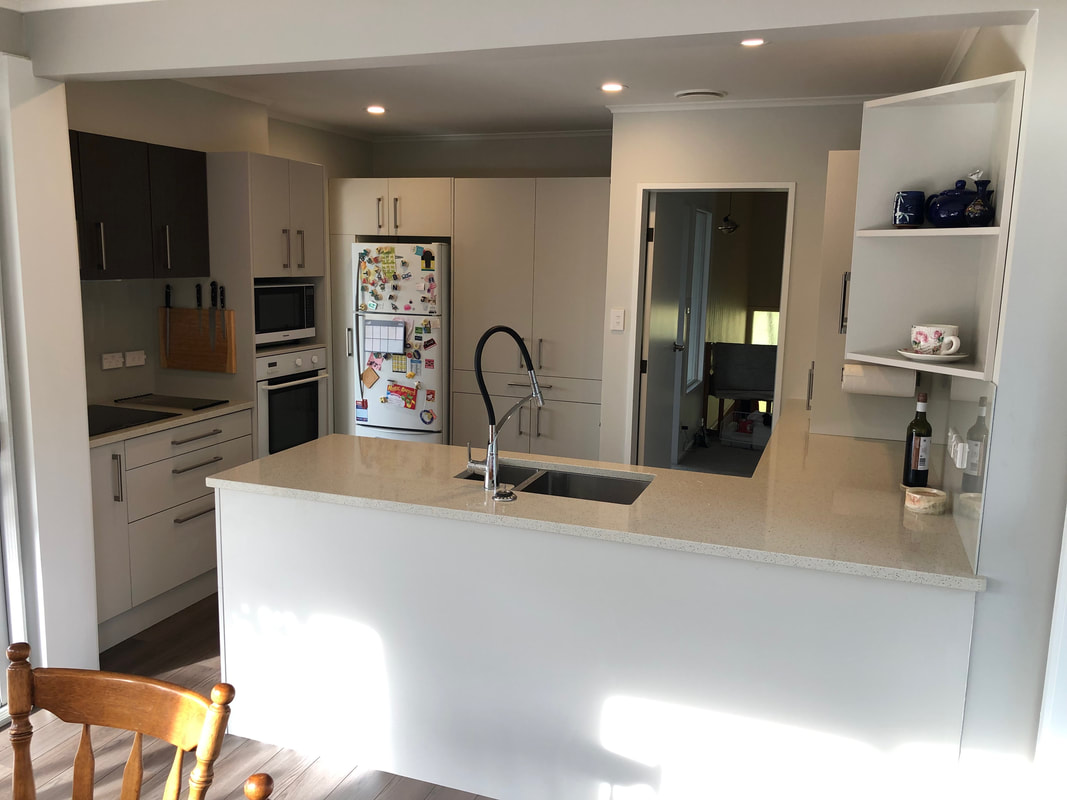
How we plan a kitchen: the McKinnon job, step by step
A worked example of how a Wellington kitchen goes from a tired galley to a room the household cooks in: drawings first, cabinetry built in-house, one programme and one phone number.Read the post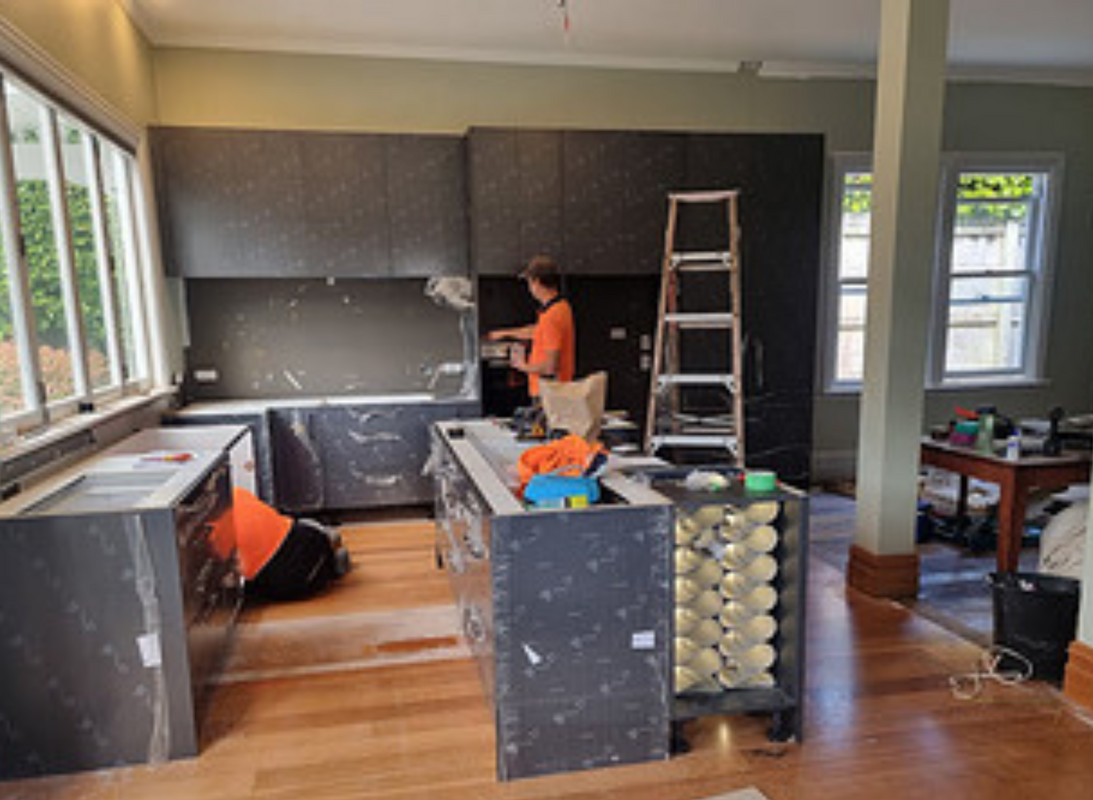 Kitchens22 May 20265 min read
Kitchen Renovation in Wellington: A Complete Design & Build Guide
Renovating your kitchen is one of the most rewarding upgrades you can make to your home — but in Wellington, the process comes with unique…Read the post Kitchens16 February 20266 min read
Custom vs Modular Kitchens in Wellington, NZ: Which Kitchen Design Is Right for Your Home?
If you’re planning a kitchen renovation in Wellington, this decision will shape not only how your kitchen looks, but how it functions for years to…Read the postPlanning a kitchen or bathroom of your own?