Kitchens4 min readby All About Kitchens & Bathrooms
The Ultimate Guide to Kitchen Renovation Costs in New Zealand
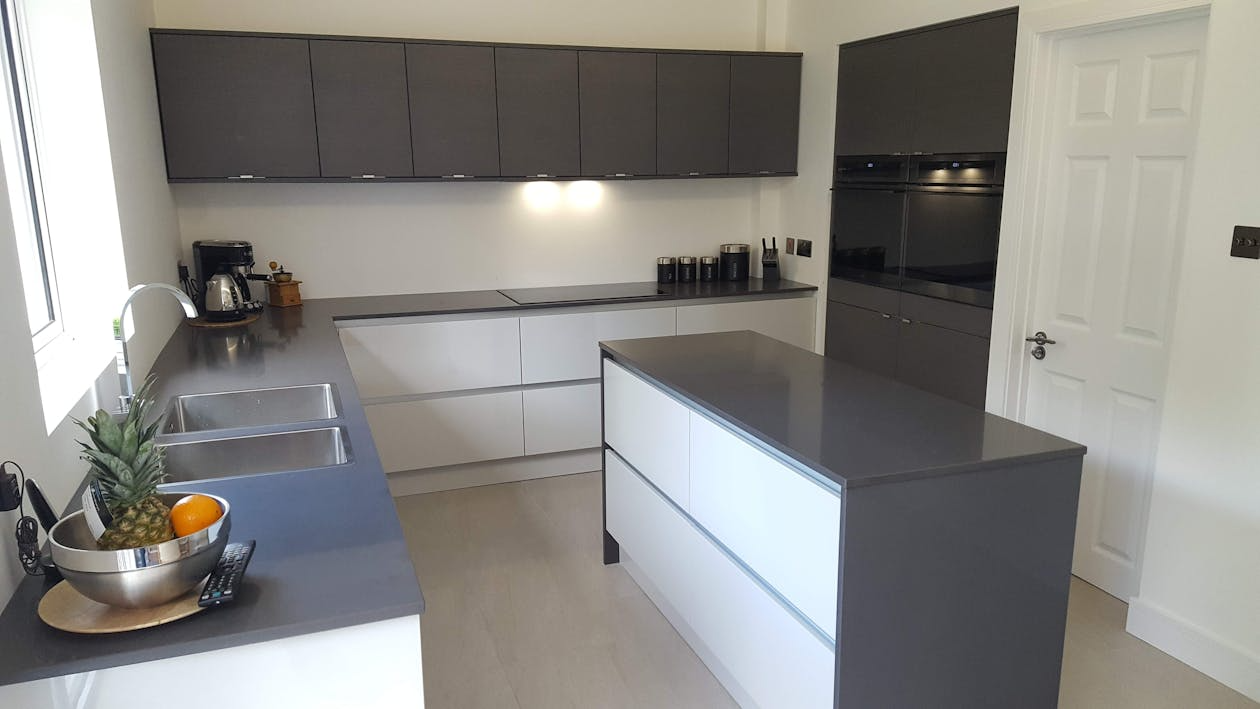

Kitchens consistently rank among the best investments homeowners make—boosting resale value and everyday enjoyment. In New Zealand, average kitchen renovation costs vary widely depending on region, materials, labour rates, and design complexity.
Introduction: Why Cost Guidance Matters
This guide aims to provide clarity by:
- Breaking down typical costs
- Highlighting smart material choices
- Advising on cost-saving DIY vs professional work
- Providing FAQs to remove uncertainty
Use this as your budgeting roadmap to build a stylish, functional kitchen that makes financial sense.
Understanding the Main Cost Categories
To create a realistic budget, split your renovation into key areas:
Cabinetry & Joinery
- Custom-built timber or plywood: NZ$800–1,200/m run
- Flat-pack or off‑the‑shelf MDF: NZ$300–600/m run
Benchtops
- Laminate: NZ$350–500/m²
- Engineered stone: NZ$650–1,200/m²
- Timber tops: NZ$500–900/m²
Appliances & Fixtures
- Mid-range appliances: NZ$5,000–10,000 total
- Entry-level: NZ$3,000–5,000
Flooring & Splashbacks
- Vinyl plank: NZ$80–120/m² installed
- Ceramic tile: NZ$100–180/m²
- Splashbacks (tile or laminate): NZ$200–800/m²
Services & Labour
- Carpentry: NZ$50–85/hour
- Plumbing, electrical, gas-fitting: NZ$60–100/hour
- Painting, plastering & project management: additional 10–20% of total
Common Renovation Cost Ranges in NZ
Based on these costs, you can expect:
- Basic renovation: NZ$12,000–20,000 for small/simple layouts
- Mid-range renovation: NZ$25,000–40,000 for standard 10–20 m² kitchens
- Premium renovation: NZ$50,000+ for custom layouts, high-end materials, or layout reconfiguration
Costs rise sharply when plumbing and electrical are moved; custom work is used or high-end appliances are included.
Budget Planning Tips
Create a budget hierarchy to ensure essentials are addressed first:
- Prioritize cabinets and benchtops--they’re the backbone of your kitchen aesthetic
- Group appliance purchases—bulk savings and better retailer offers
- Minimise plumbing/electrical moves to keep labour costs down
- Shop seasonal deals on tiles, splashbacks, and hardware
- Always include a 10–20% contingency for unexpected costs
This approach balances livability, design, and financial comfort.
Thinking about updating your kitchen? Explore expert kitchen renovation services for design ideas and affordable execution in Wellington.
Comparing Materials for Affordability & Durability
Choose wisely based on your budget goals:
- Cabinets: Flat-pack MDF is cost-effective; custom plywood offers longevity and looks premium
- Benchtops: Laminate is affordable and low-maintenance; engineered stone offers durability and style
- Flooring: Vinyl is resilient and budget-friendly; tiles feel classic but cost more to install
- Open shelving: Consider replacing upper cabinets with open shelves to save money and add visual space
Match all material choices to your lifestyle and the kitchen’s primary functions.
When to DIY and When to Hire
Save money by DIYing:
- Painting cabinet doors or trim
- Installing backsplash tiles with clear instructions
- Hanging simple open shelves
Hire professionals for:
- Electrical rewiring or relocation
- Gas or plumbing reconfiguration
- Structural changes (e.g., removing walls)
Hybrid approach:
Handle demolition and painting yourself, and hire trades for the technical stages. You’ll save significantly without compromising quality.
Planning a bigger transformation? Discover full home renovation solutions that unify kitchen upgrades with complete living space makeovers.
Managing Compliance & Council Costs
Not all kitchen renos need consents:
- Building consent required if: structural changes, major plumbing/gas rerouting
- Minor cosmetic updates: painting, hardware swaps, benchtop replacement may not need consent
- Council fees: vary NZ$500–2,000+ depending on region; bundling multiple jobs saves money
Properly factoring compliance ensures smooth progress--don’t skip this step!
Smart Kitchen Design on a Budget
Practical design tips to save money and maximize appeal:
- Retain original layout to avoid service relocation costs
- Use lighting, mirrored splashbacks, and glass fronts to add brightness
- Choose neutral materials—this boosts long-term resale value
- Integrate smart storage (pull‑out pantry, drawer organisers) rather than extravagant fixtures
Focus on design details that enhance quality without inflating costs.
Conclusion: Smart Planning for Calm Confidence
Kitchen renovations in New Zealand can be affordable and value-driven when planned with knowledge:
- Understand the cost landscape—from cabinetry to compliance
- Choose materials that align with your budget and style
- DIY strategically while trusting professionals for complex work
- Plan ahead for approvals, layouts, and contingencies
With this guide in hand, you’ll approach your kitchen renovation with confidence, clarity, and control. Your dream kitchen is within reach—and won’t break the bank.
FAQ(Frequently Asked Question)
1. What is average price per square metre?
Mid-range kitchen renovations in NZ typically cost between NZ$2,500–3,500/m², excluding appliances and finance.
2. Can you renovate under NZ$15K?
Yes—if you use efficient flat-pack cabinets, avoid major service changes, and spend sparingly on benchtops and appliances.
3. Do I need council consent?
Only when you move plumbing, install structural elements or change gas lines. Minor updates generally don’t require consent.
4. Should I splurge on benchtops or appliances?
Benchtops yield more visual impact and durability. Appliances should be reliable but choosing mid-range often hits a balance between cost and quality.
5. Are sustainable materials budget-friendly?
Absolutely—FSC-certified plywood, low-VOC paint, recycled benchtops, and energy-efficient appliances are cost-effective in the long run and may qualify for rebates.
Keep reading.
 Kitchens8 September 20263 min read
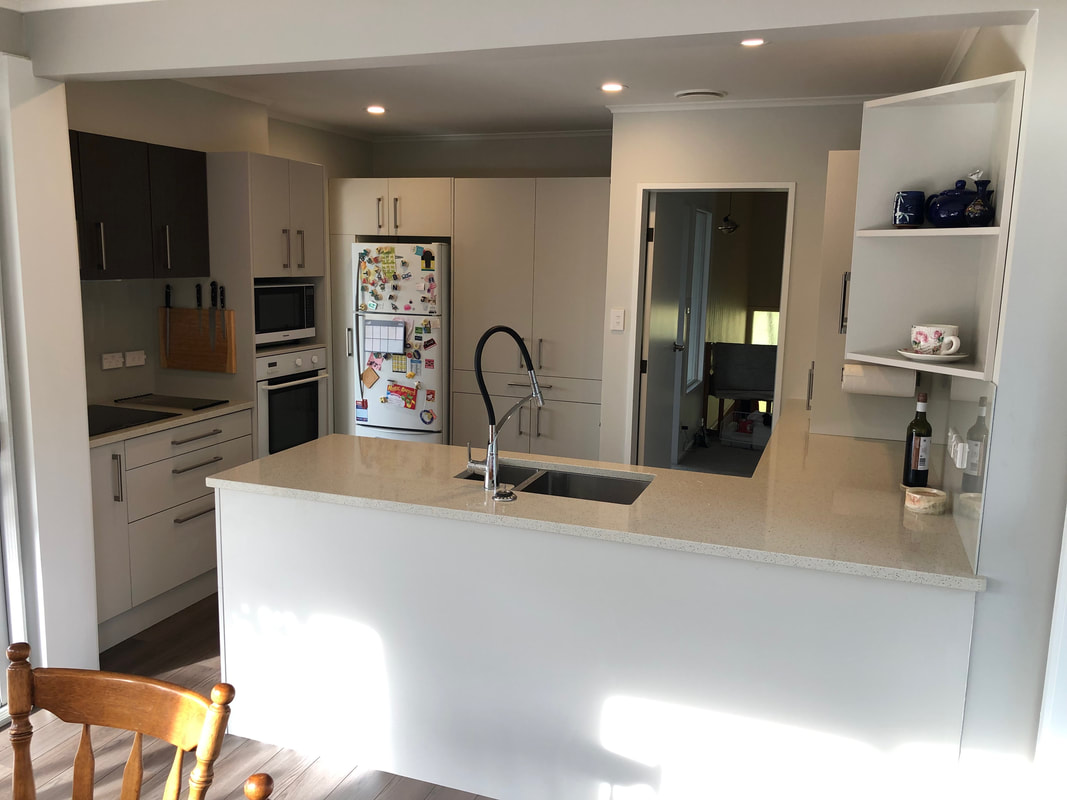
How we plan a kitchen: the McKinnon job, step by step
A worked example of how a Wellington kitchen goes from a tired galley to a room the household cooks in: drawings first, cabinetry built in-house, one programme and one phone number.Read the post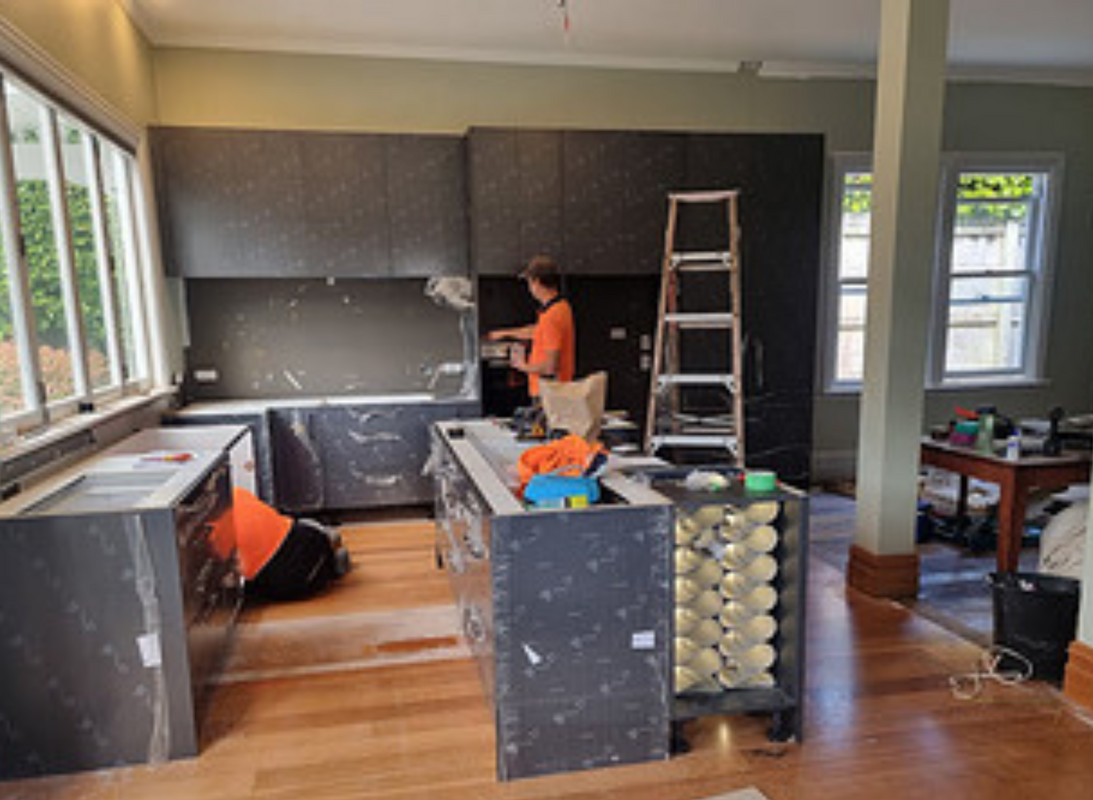 Kitchens22 May 20265 min read
Kitchen Renovation in Wellington: A Complete Design & Build Guide
Renovating your kitchen is one of the most rewarding upgrades you can make to your home — but in Wellington, the process comes with unique…Read the post Kitchens16 February 20266 min read
Custom vs Modular Kitchens in Wellington, NZ: Which Kitchen Design Is Right for Your Home?
If you’re planning a kitchen renovation in Wellington, this decision will shape not only how your kitchen looks, but how it functions for years to…Read the postPlanning a kitchen or bathroom of your own?