Home Renovations6 min readby All About Kitchens & Bathrooms
The Importance of Project Management in Home Renovations
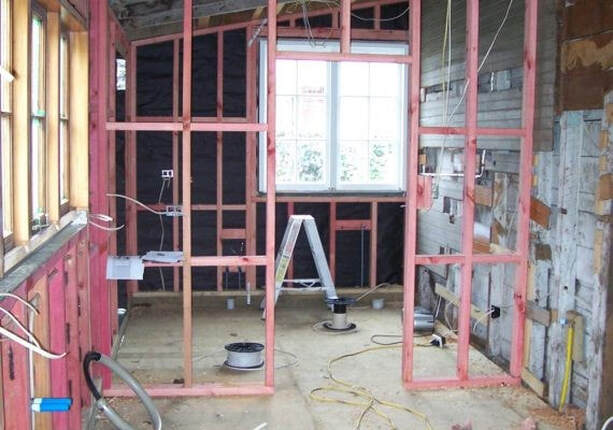

Home Renovations can be an exciting journey, but without proper planning and project management, it can quickly become overwhelming. At All About Kitchens, we understand how critical home renovation project management is to ensure your renovation stays on track, within budget, and meets your vision. This guide covers every aspect of effective project management for home renovations in New Zealand, helping homeowners and renovation companies achieve successful outcomes. We’ll share insights on budgeting, timelines, contractor coordination, material selection, and design considerations to ensure your project is seamless from start to finish.
Understanding Home Renovation Project Management
Effective project management is the backbone of any successful renovation. It ensures that every step from initial planning to the final finish is carefully coordinated and executed.
Project management in home renovations involves:
- Setting clear objectives for the renovation
- Planning timelines and schedules
- Budgeting and cost management
- Coordinating contractors and tradespeople
- Monitoring progress and quality
By establishing a structured approach, our home renovation services can minimize delays, unexpected costs, and stress during the renovation process. Project management also helps anticipate challenges before they arise, ensuring the renovation stays on track and aligns with your goals.
The Role of a Project Manager
A project manager oversees the entire renovation process, acting as the central point of communication between homeowners, contractors, and suppliers. Their responsibilities include:
- Timeline Management – Ensuring each stage of the renovation stays on schedule
- Budget Oversight – Tracking expenses to avoid cost overruns
- Contractor Coordination – Scheduling and supervising tradespeople
- Problem-Solving – Quickly addressing any unexpected issues
Having a project manager reduces the risk of common mistakes, such as miscommunication, delays, or poor-quality workmanship. They also serve as your advocate during the renovation, helping you make informed decisions and keeping the project aligned with your vision.
Planning Your Renovation
Planning is the foundation of a smooth renovation. Without a clear plan, even small projects can escalate into time-consuming and costly challenges.
1. Setting Your Goals
Ask yourself what you want to achieve with your renovation:
- Are you renovating for better functionality, aesthetics, or resale value?
- Is this a full home makeover or a single-room project?
- Are you looking for energy-efficient upgrades or open-plan designs?
Clearly defined goals help guide decision-making throughout the renovation. By establishing your objectives upfront, you and your team can prioritize features, avoid unnecessary changes in mid-project, and ensure the renovation aligns with your lifestyle needs.
2. Budgeting and Cost Management
Budgeting is a crucial part of project management. Our home renovation budgeting tips ensure you allocate funds for every aspect of your project, including:
- Materials & Finishes – 40%
Includes cabinetry, flooring, tiles - Labor & Contractors – 35%
Tradespeople fees and project management - Contingency – 10%
Unexpected expenses - Permits & Fees – 5%
Council approvals - Design & Consultancy – 10%
Architect, designer, or interior consultant
A detailed budget helps prevent overspending while still achieving a high-quality result. It’s also helpful to track costs weekly and adjust as needed to avoid surprises. Including a contingency of around 10% is particularly important for unexpected costs, which are common in renovations.
Avoiding Common Home Renovation Mistakes
Many homeowners face pitfalls during renovations due to poor planning or lack of management. Some common home renovation mistakes to avoid include:
- Skipping proper planning and timelines
- Underestimating costs and expenses
- Choosing low-quality materials
- Poor communication with contractors
- Ignoring local regulations and permits
Proper project management allows us to anticipate these risks and create strategies to mitigate them. For example, regular check-ins and progress meetings can prevent misunderstandings between contractors and homeowners.
Material Selection and Design Considerations
Choosing the right materials and finishes is critical to the success of any renovation.
1. Home Renovation Material Selection
When selecting materials, consider:
- Durability – Materials that withstand wear and tear
- Maintenance – Easy-to-clean surfaces for kitchens and bathrooms
- Aesthetic Appeal – Matching the overall design theme
- Sustainability – Eco-friendly options for energy-efficient renovations
High-quality materials ensure your renovation remains functional and visually appealing for years to come. It’s also important to balance aesthetics with functionality, particularly for high-traffic areas like kitchens and living rooms.
2. Design Trends in NZ Homes
Renovation trends in New Zealand emphasize functionality, energy efficiency, and open-plan living. Popular trends include:
- Open-plan home renovation – Enhances space and natural light
- Energy-efficient home renovation – Incorporates sustainable appliances and insulation
- Heritage home renovation NZ – Preserves historic features while modernizing amenities
Understanding these trends allows us to make informed decisions when designing your renovation. Incorporating these ideas can increase the value of your home while creating a modern, functional space.
Timeline and Scheduling
One of the biggest challenges in renovations is staying on schedule. Project management ensures that every task is completed in the right order and on time.
Steps for Effective Timeline Planning
- Phase Planning – Break the project into stages (demolition, structural work, installations, finishes)
- Buffer Time – Include contingency days for unexpected delays
- Regular Progress Checks – Monitor each phase to maintain quality and timeline
Planning your renovation timeline carefully reduces the risk of costly delays and ensures a smooth workflow. This also gives homeowners peace of mind, knowing that every aspect of the project is under control.
Contractor Coordination
Coordinating multiple contractors is often the most complex aspect of a renovation.
Key Coordination Practices
- Scheduling Trades – Ensure electricians, plumbers, and builders work efficiently together
- Communication – Clear instructions and expectations for all parties
- Quality Control – Monitor workmanship to maintain standards
Our project management services make it easy to manage contractors and maintain a stress-free renovation process. Effective communication and coordination reduce misunderstandings, improve efficiency, and ensure the renovation stays aligned with the design plan.
Heritage and Special Renovations
Renovating heritage homes or specialized designs requires extra attention.
- Heritage Home Renovation NZ – Maintain historical features while upgrading functionality
- Open-plan and Energy-efficient Designs – Combine modern layouts with sustainable technologies
Careful project management ensures these complex projects meet regulations and retain their unique charm. Attention to detail is essential in preserving the integrity of heritage homes while upgrading them for modern living.
Tips for Energy-efficient Renovations
Modern homeowners increasingly prioritize sustainability. Some practical tips include:
- Installing LED lighting and energy-efficient appliances
- Upgrading insulation and windows to reduce heat loss
- Using sustainable materials such as recycled timber or low-VOC paints
- Incorporating solar panels or smart energy systems
Integrating these features during renovation increases energy savings and reduces environmental impact.
Conclusion
Effective home renovation project management is essential for a successful renovation in New Zealand. From budgeting and material selection to contractor coordination and timelines, managing every aspect of the project reduces stress, saves money, and ensures high-quality results. At All About Kitchens, we combine expertise, planning, and creativity to deliver renovations that exceed expectations. Whether you’re planning a full home makeover or a single-room update, structured project management helps turn your renovation dreams into reality.
Contact us today and let All About Kitchens guide you through every step of your home renovation journey
FAQs
1. What is home renovation project management?
It’s the process of planning, coordinating, and overseeing every aspect of a renovation to ensure it runs smoothly, on time, and within budget.
2. Why is budgeting important in renovations?
Proper budgeting prevents overspending, helps allocate resources efficiently, and ensures quality finishes without surprises.
3. How do I choose the right materials for my renovation?
Consider durability, maintenance, aesthetic appeal, and sustainability. Our experts guide you through home renovation material selection.
4. What are common renovation mistakes to avoid?
Poor planning, cost underestimation, miscommunication with contractors, and ignoring permits are some common pitfalls.
5. Can All About Kitchens manage my entire renovation project?
Yes, our project management services cover everything from planning and budgeting to contractor coordination and quality control.
Keep reading.
 Home Renovations9 April 20265 min read
Incorporating Custom Units into Home Design in Wellington
Custom home units have become a defining feature of modern Wellington homes — from character villas in Petone and Mt Victoria to contemporary builds…Read the post Home Renovations8 April 20265 min read
Understanding Building Permits for Home Renovations in Wellington, NZ
Renovating your home is exciting, whether you’re modernising a kitchen, upgrading a bathroom, or adding more space for a growing family. If you’re…Read the post Home Renovations20 March 20267 min read
Essential Tools for Home Renovation Projects
Home renovation can be both exciting and challenging. Whether you are a DIY enthusiast or a new renovator, the success of any project depends…Read the postPlanning a kitchen or bathroom of your own?