Home Renovations7 min readby All About Kitchens & Bathrooms
Essential Tools for Home Renovation Projects
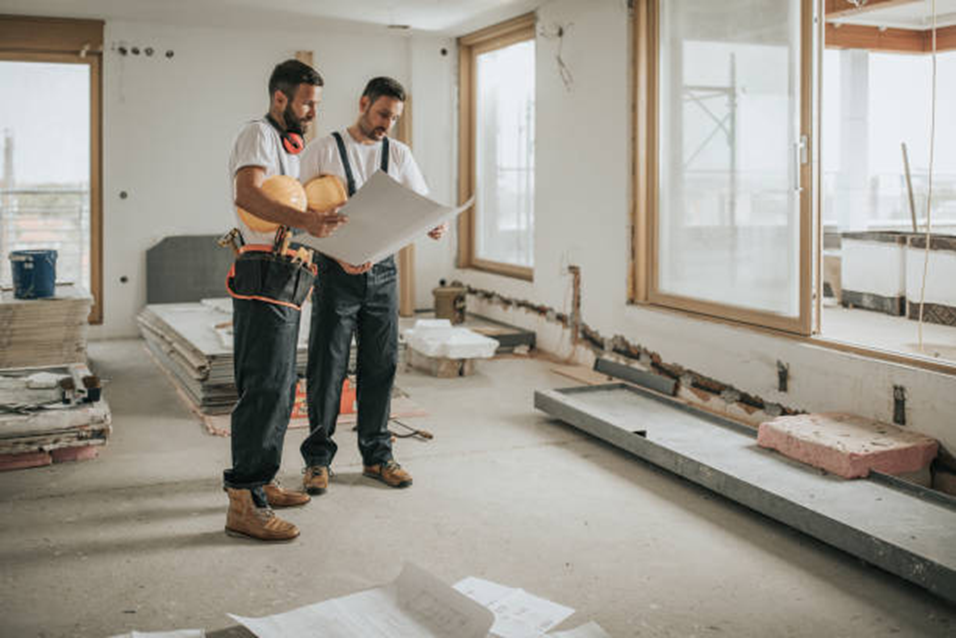

Home renovation can be both exciting and challenging. Whether you are a DIY enthusiast or a new renovator, the success of any project depends largely on having the right tools. From painting walls to installing cabinets or repairing plumbing, the correct equipment not only saves time but ensures safety and quality results.
At All About Kitchens, we have 25 years of experience helping homeowners create functional and stylish spaces. Along the way, we’ve seen exactly which tools make renovations smoother – and which one's cause frustration. This guide breaks down the essential tools every renovator should have, plus maintenance tips and advice for building your toolkit with confidence.
Why Having the Right Tools Is Important
Renovation projects, regardless of scale, require precision, efficiency and a little bit of patience. The right tools support all three.
- Efficiency and Productivity: Tasks are completed faster and with less effort when you’re using the tools designed for the job.
- Professional Results: Accurate measurements, clean cuts, clean finishes – quality tools help you achieve the kind of results you’ll be proud to show off.
- Safety: Proper equipment reduces the risk of accidents and injuries, especially for DIY renovators still learning the ropes.
- Cost Savings: Good tools last. When you maintain them well, you avoid constant replacements and costly mistakes.
Many beginners buy tools impulsively, only to realise later they don't suit the project. A thoughtful, well-planned home renovation tools list ensures you invest wisely.
Comprehensive Home Renovation Tools List
Below is a breakdown of the essential tools every renovator should consider — from hand tools to power tools, plumbing gear, painting equipment, and safety essentials.
Hand Tools: Foundation of Every Renovation
Hand tools are the backbone of any project. They’re versatile, reliable, and perfect for both beginners and experienced renovators.
- Hammer: Used for driving nails, small demolition jobs, and general carpentry.
- Screwdrivers: Both flathead and Phillips screwdrivers are essential for assembling furniture, tightening screws, and minor repairs.
- Tape Measure: Accurate measurements are critical for cutting, fitting, and aligning materials.
- Spirit Level: Ensures surfaces are perfectly horizontal or vertical, essential for cabinetry, shelves, and frames.
- Utility Knife: Ideal for cutting Gib Board, carpets, vinyl flooring, or packaging materials.
- Pliers: Helpful for gripping, bending, and cutting wires or small hardware items.
Power Tools: Speed and Precision
Power tools take your renovation skills to the next level. They save time and deliver cleaner, more accurate results.
- Cordless Drill: A multi-functional tool for drilling holes and driving screws. Choose one with variable speed and rechargeable batteries.
- Jigsaw: Useful for curved or intricate cuts in wood, laminate, or thin metals.
- Circular Saw: Perfect for straight, long cuts in timber, MDF, or plywood.
- Angle Grinder: Used for cutting, grinding, and polishing metal, stone, or tile.
- Orbital Sander: Speeds up surface finishing for walls, floors, and furniture.
When it comes to power tools, reliability matters. Cheap tools often fail under pressure — and usually at the worst possible moment.
Plumbing and Electrical Tools: Essential for Functional Renovations
Even minor renovations often involve plumbing and electrical work. Having the right tools ensures projects are completed correctly and safely.
- Pipe Wrench: Used for tightening or loosening pipes during plumbing repairs or installations.
- Adjustable Spanner: Multipurpose tool for various nuts, bolts, and fittings.
- Voltage Tester: Crucial for checking electrical circuits before working on wiring.
- Wire Strippers and Pliers: Essential for handling and connecting wires safely.
- Teflon Tape: Helps create watertight seals for plumbing connections.
Understanding how to use these tools correctly prevents costly mistakes.
Painting and Finishing Tools: For a Polished Look
Finishing work is where your renovation truly comes to life.
- Paint Brushes and Rollers: Different sizes and types for walls, trims, and cabinets.
- Painter’s Tape: Ensures clean lines and prevents paint from spilling onto unwanted areas.
- Drop Cloths: Protect floors, furniture, and countertops from paint splatters.
- Putty Knife: For filling holes, cracks, and smoothing filler or plaster.
- Sandpaper: Necessary for preparing surfaces before painting or staining.
Even small details like using the correct roller or brush type can drastically improve the final outcome.
Safety Equipment: Non-Negotiable Essentials
Renovation work exposes you to dust, chemicals, sharp tools, and noise. Safety gear is not optional.
- Safety goggles to protect eyes from debris and dust.
- Work gloves for handling tools and materials.
- Ear protection to prevent hearing damage from power tools.
- Dust masks or respirators, especially when sanding, cutting, or painting.
- Steel-toed boots to protect feet from heavy objects.
Protecting yourself ensures you can work comfortably and confidently
Table: Quick Reference Home Renovation Tools List
Tool Category
Essential Tools
Purpose
Hand Tools
Hammer, Screwdrivers, Tape Measure, Spirit Level, Utility Knife, Pliers
Carpentry, measuring, cutting
Power Tools
Cordless Drill, Jigsaw, Circular Saw, Angle Grinder, Orbital Sander
Cutting, drilling, sanding, finishing
Plumbing & Electrical
Pipe Wrench, Adjustable Spanner, Voltage Tester, Wire Strippers, Teflon Tape
Plumbing and electrical tasks
Painting & Finishing
Paint Brushes, Rollers, Painter’s Tape, Drop Cloths, Putty Knife, Sandpaper
Surface preparation, painting
Safety Equipment
Safety Goggles, Gloves, Ear Protection, Dust Masks, Steel Boots
Personal protection and injury prevention
Tool Maintenance: Extend Life and Performance
Proper tool maintenance is key to ensuring your equipment performs optimally and lasts for years. Consider the following tips:
- Clean Tools After Each Use: Remove dust, paint, or other residues that can degrade the tool.
- Sharpen Blades and Bits: Keep saws, chisels, and drill bits sharp for accurate cuts.
- Lubricate Moving Parts: Oil hinges, gears, and sliding parts to prevent wear and rust.
- Inspect for Damage: Check cords, handles, and blades for wear or cracks before use.
- Store Tools Properly: Use toolboxes, racks, or storage cabinets to protect from moisture and impact.
Maintenance not only prolongs tool life but also ensures safety during operation.
Must-Have Tools for DIY Enthusiasts and New Renovators
If you’re just starting out, begin with a core set of essentials:.
Recommended starter tools include:
- Cordless drill and drill bits
- Tape measure and spirit level
- Hammer and screwdrivers
- Pliers and adjustable spanner
- Safety equipment (goggles, gloves, mask)
These tools cover most small projects — from hanging shelves to assembling furniture.
All About Kitchens often emphasises starting with essentials and gradually upgrading to reduce costs while building confidence.
Planning and Executing Renovation Projects Efficiently
- Create a Detailed Plan: Identify tasks, required tools, and materials.
- Set a Realistic Budget: Avoid overspending on unnecessary tools.
- Prioritize Safety: Always wear protective equipment.
- Learn Proper Techniques: Tutorials, workshops, and manuals can guide you through unfamiliar tasks.
- Keep the Workspace Organised: Clean and organized areas reduce accidents and tool damage.
Careful planning reduces stress and ensures smoother project execution.
When to Upgrade Your Tools
Once you become comfortable with basic renovations, consider upgrading:
- When tools frequently wear out or fail.
- For advanced projects requiring specialized tools.
- When efficiency gains justify investment in high-quality power tools.
At All About Kitchens, we guide clients to make informed choices about tools that match both skill level and renovation scope.
Conclusion
Renovating your home becomes far more enjoyable — and far more successful — when you have the right tools on hand. Whether you’re painting a room, installing cabinetry, or taking on a full renovation, a well‑planned toolkit ensures safety, efficiency, and professional‑quality results.
If you’re planning a renovation in Wellington and want expert guidance, visit our Petone showroom. Our team is here to help you choose the right tools, materials, and design solutions to bring your project to life.
At All About Kitchens, we provide practical advice, ensuring your renovation projects are both safe and rewarding. Get in touch with us to discuss your renovation plans and discover expert guidance tailored to your needs.
FAQ Section
1. What are the most important tools for a beginner renovator?
A cordless drill, hammer, screwdrivers, tape measure, spirit level, and safety equipment are essential for most beginner projects.
2. How do I maintain my renovation tools?
Clean them after use, sharpen blades, lubricate moving parts, inspect for damage, and store properly to extend their lifespan.
3. Is safety equipment necessary for small DIY projects?
Yes, even minor tasks can cause injuries. Goggles, gloves, masks, and proper footwear are highly recommended.
4. Can I complete a home renovation with only hand tools?
Small projects may be completed with hand tools, but power tools improve efficiency and accuracy for larger renovations.
5. Where can I find expert advice on home renovation tools?
Visit All About Kitchens for practical guidance and tips for DIY enthusiasts and new renovators.
Keep reading.
 Home Renovations9 April 20265 min read
Incorporating Custom Units into Home Design in Wellington
Custom home units have become a defining feature of modern Wellington homes — from character villas in Petone and Mt Victoria to contemporary builds…Read the post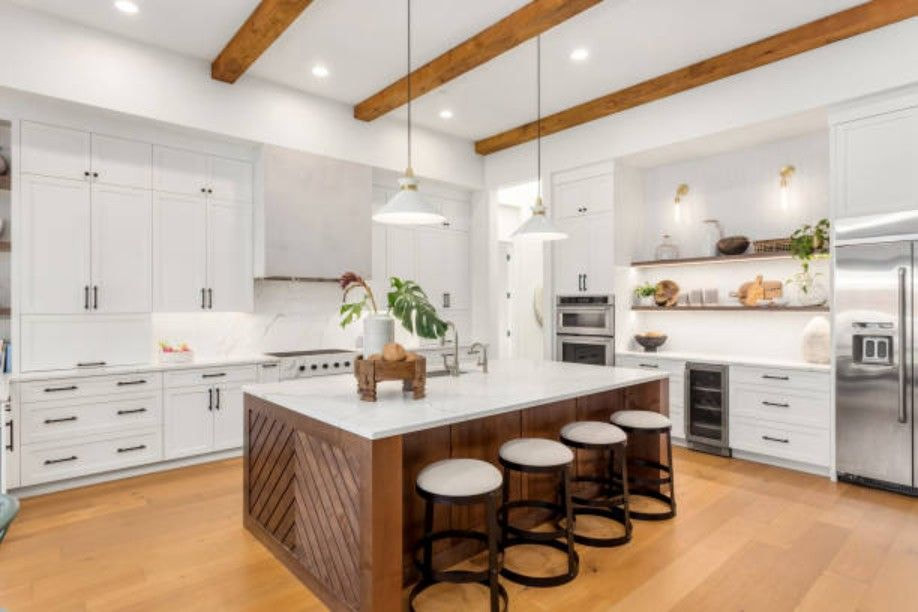 Home Renovations8 April 20265 min read
Understanding Building Permits for Home Renovations in Wellington, NZ
Renovating your home is exciting, whether you’re modernising a kitchen, upgrading a bathroom, or adding more space for a growing family. If you’re…Read the post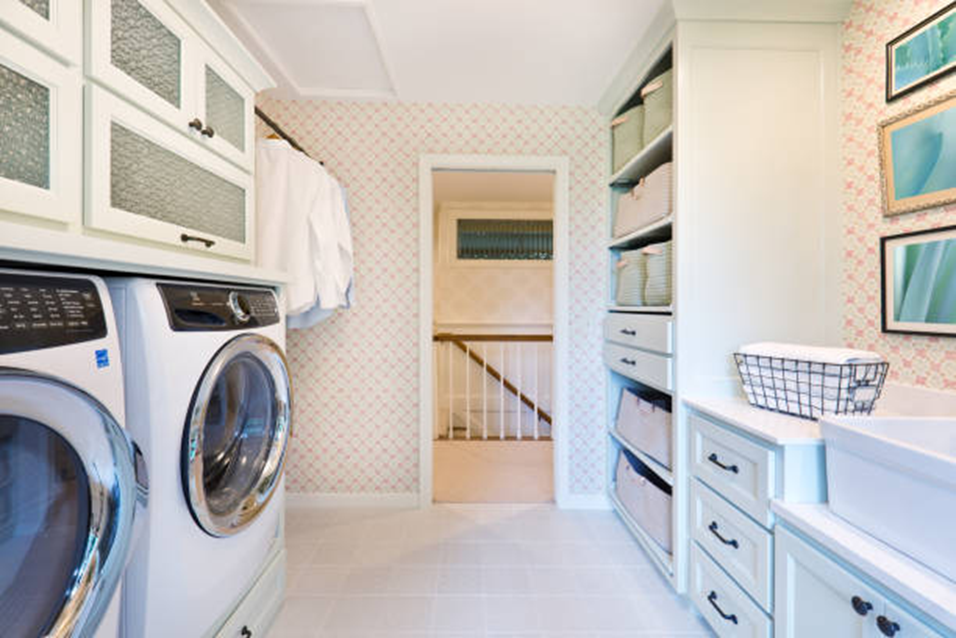 Home Renovations20 March 20266 min read
Designing Functional and Stylish Laundry Rooms
Creating a functional yet stylish laundry room is a priority for modern homeowners. While often overlooked, the laundry is one of the…Read the postPlanning a kitchen or bathroom of your own?