Home Renovations6 min readby All About Kitchens & Bathrooms
Selecting the Right Materials for Your Home Renovation
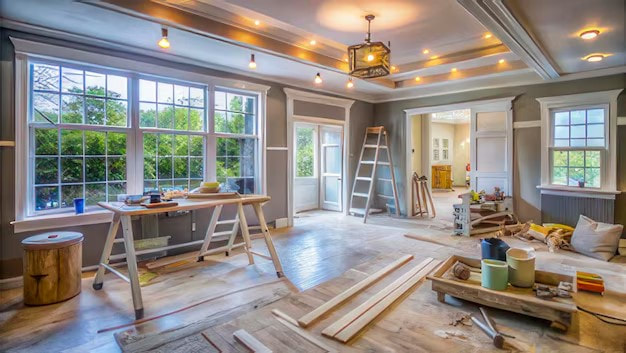

Choosing the right materials for your renovation can feel overwhelming, particularly when the options are endless and each decision impacts long-term comfort and value. Many homeowners working with All About Kitchens & Bathrooms often ask where to begin when selecting finishes, benchtops, flooring, or cabinetry. The choices you make today will shape how your home performs, looks, and ages over time, so careful planning is key.
Why Does Material Selection Play Such an Important Role in Renovations?
Before diving into specific materials, it’s essential to understand why selection matters so much. Materials determine the longevity, function, and overall quality of the spaces you’re upgrading.
Key reasons material choice matters include:
- Durability: Long-lasting products reduce future repair costs.
- Performance: The right material ensures everyday usability.
- Aesthetics: Colour, texture, and finish shape your home’s personality.
- Value: Quality surfaces enhance property appeal and resale price.
How Should Your Lifestyle Influence the Materials You Choose?
Your daily routines and household needs should guide your decision-making process. Not every material suits every lifestyle, and understanding your habits helps you narrow down the right products.
Consider the following factors:
- Busy Households: Opt for scratch-resistant, low-maintenance options.
- Homes with Children: Choose durable floors and easy-clean surfaces.
- Pet Owners: Look for claw-resistant, water-resistant flooring.
- Entertainers: Consider high-quality benchtops that handle heat and spills.
What Room-Specific Considerations Should Be Made When Selecting Materials?
Each area of your home has unique requirements. A material that works beautifully in the living room may be completely unsuitable for a bathroom or kitchen.
Kitchen
The kitchen deals with heat, moisture, and frequent use. Ideal materials include:
- Engineered stone benchtops
- Moisture-resistant cabinetry
- Glass, acrylic, or tile splashbacks
Bathroom
Bathrooms require waterproof and mould-resistant materials:
- Porcelain or ceramic tiles
- Waterproof vanities
- Quality chrome or stainless-steel fixtures
Living Zones & Bedrooms
Comfort and durability are key in everyday spaces:
- Timber, hybrid, or vinyl flooring
- Plush or low-pile carpeting
- Durable paint and trims
How Do Online Resources and Internal Links Help You Make Better Renovation Choices?
While researching materials, reliable resources guide you toward professional recommendations and renovation insights. If you're exploring professional support, you might look into home renovation services to understand your options and get expert guidance. These sources help you gain clarity and confidence while planning your renovation.
Additionally, using trusted information helps ensure your choices align with your long-term goals whether you’re upgrading a kitchen, redesigning a bathroom, or renovating your entire property.
How Do Budget and Material Quality Work Together?
Balancing your budget against your desire for quality can be challenging. While cheaper options may be tempting, they don’t always provide the durability or performance you need.
A good budget-quality balance considers:
- Long-Term Value: Premium materials last longer and look better.
- Replacement Costs: Low-quality products often require earlier replacement.
- Usage Frequency: Prioritise quality in high-traffic areas.
- Resale Appeal: Quality finishes make your home more attractive to buyers.
Which Sustainable Materials Should NZ Homeowners Consider?
Sustainability is becoming a top priority in many Kiwi households. Eco-friendly materials can improve air quality, reduce waste, and increase home energy efficiency.
Popular sustainable options include:
- Recycled or reclaimed timber flooring
- Low-VOC paints
- Wool insulation sourced from NZ farms
How Important Is Durability When Selecting Materials for Your Renovation?
Durability is one of the most important factors in any renovation project. It affects long-term satisfaction and determines how your home handles everyday wear and tear.
Look for materials that offer:
- Scratch Resistance: Ideal for floors and benchtops.
- Moisture Protection: Essential in kitchens, bathrooms, and laundries.
- Heat Resistance: Crucial near ovens, stoves, and sunny windows.
- Impact Resistance: Helpful in family homes or high-traffic spaces.
What Aesthetic Factors Should You Consider When Choosing Materials?
Appearance plays a major role in how your home feels. Whether your style is modern, rustic, coastal, or minimalist, material choice directly shapes the final look.
Aesthetic considerations include:
- Colour Harmony: Align materials with your overall palette.
- Texture Variety: Combine matte, gloss, and natural finishes.
- Natural Elements: Timber, stone, and tile add character.
- Consistency: Keep metal finishes uniform across fixtures.
What Are the Most Common Material Selection Mistakes to Avoid?
Avoiding common pitfalls ensures your renovation runs smoothly and the final result meets your expectations.
Mistakes to avoid:
- Choosing solely based on looks
- Ignoring maintenance needs
- Failing to check real-life durability
- Using mismatched colours or textures
- Choosing cheap materials for high-use areas
How Can You Ensure Your Materials Work Well Together?
Consistency is the secret to achieving a polished, cohesive look. Well-paired materials elevate design and create flow between rooms.
Tips for coordinated selection include:
- Use a unified colour and texture palette
- Combine warm and cool tones thoughtfully
- Keep metal and hardware finishes consistent
- Avoid clashing patterns or overly busy tiles
Why Should You Test Samples Before Making a Final Decision?
Showroom lighting and online images rarely represent how materials look in your actual home. Samples help you make a confident, informed choice.
Sampling helps you evaluate:
- Colour shifts in natural light
- Texture and finish quality
- Durability through small tests
- Compatibility with existing décor
How Do NZ Climate Conditions Influence Material Performance?
New Zealand’s climate varies widely from humid coastal areas to cooler inland regions so selecting climate-appropriate materials is essential.
Considerations include:
- UV-protective finishes for sunny regions
- Moisture-resistant materials in Wellington’s humid environment
- Insulated products for colder climates
- Salt-air-resistant fixtures near the coast
These factors are especially relevant to homeowners planning property renovation in Wellington, where strong winds, moisture, and salt air demand more durable and weather-resistant materials.
What Should You Ask Your Renovation Specialist About Materials?
Speaking with professionals helps you make informed choices based on real-world performance and long-term value. When exploring home renovation services, ask questions that help you understand each material’s pros and cons.
Important questions include:
- What maintenance does this material need?
- Is it suitable for my family’s lifestyle?
- How does it perform in NZ climate conditions?
- Are there affordable alternatives with similar benefits?
- Is there a product warranty?
Are Premium Materials Always Worth the Investment?
Premium materials offer exceptional durability and aesthetics, but they aren’t essential for every situation. Strategic selection ensures you spend wisely while still achieving quality.
Premium materials are worth the investment when:
- The area experiences high daily use
- You want long-lasting performance
- Resale value is a priority
They may be unnecessary when:
- The space has low traffic
- You're planning future upgrades
- You’re redesigning on a tight budget
Conclusion: What’s the Best Way to Make Smart Material Decisions?
Choosing the right renovation materials is a balance of practicality, style, and long-term value. By understanding your lifestyle, budget, and environment, you can select products that enhance comfort, improve durability, and elevate your home’s overall appeal. With support from All About Kitchens & Bathrooms, you can confidently choose materials that match your vision and stand the test of time.
If you need help planning your renovation or selecting the best materials, contact us today our team is ready to assist with expert advice and personalised recommendations.
FAQs
- What is the most durable kitchen benchtop material?
Engineered stone is considered the most durable due to its heat, scratch, and stain resistance. - What flooring is best for high-traffic areas?
Hybrid and vinyl plank flooring are popular because they resist moisture, scratches, and everyday wear. - Are tiles or vinyl better for bathrooms?
Tiles offer better water resistance and longevity, while vinyl can be a cost-effective alternative. - How do I choose between natural and engineered materials?
Natural materials provide unique patterns, while engineered materials offer consistency and lower maintenance. - What type of cabinetry is most durable?
Plywood cabinetry is typically stronger and more moisture-resistant than MDF or particleboard.
Keep reading.
 Home Renovations9 April 20265 min read
Incorporating Custom Units into Home Design in Wellington
Custom home units have become a defining feature of modern Wellington homes — from character villas in Petone and Mt Victoria to contemporary builds…Read the post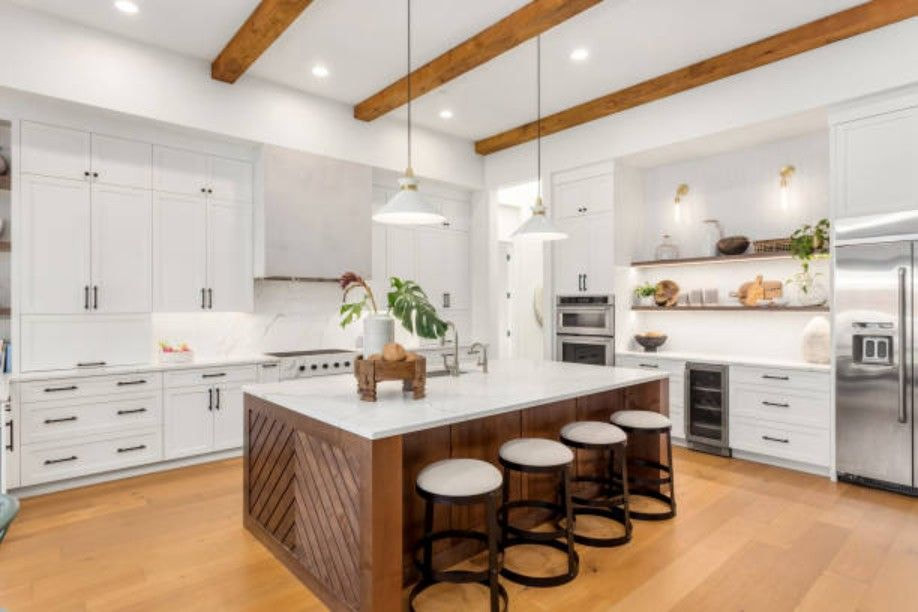 Home Renovations8 April 20265 min read
Understanding Building Permits for Home Renovations in Wellington, NZ
Renovating your home is exciting, whether you’re modernising a kitchen, upgrading a bathroom, or adding more space for a growing family. If you’re…Read the post Home Renovations20 March 20267 min read
Essential Tools for Home Renovation Projects
Home renovation can be both exciting and challenging. Whether you are a DIY enthusiast or a new renovator, the success of any project depends…Read the postPlanning a kitchen or bathroom of your own?